

ISSN(Print) 2076-2860
ISSN(Online) 2958-5945
Email: Editorial@jaimc.org
Phone: +924299231453
PMDC & UHS (IP-0043)


         Journal Metrics
Initial Processing: 14 Days
Peer Review: 28 Days
Publishing: 28 Days
Acceptance Rate: 80%
Distinguished Reviewer
             OJS Guide
   Manuscript Submission
CURRENT ISSUE
April 2025 – June 2025
VOL. 23, ISSUE NO. 2
EDITORIAL
Battling Beyond the Frontline: War’s Toll on Medical Care and Public Health
Dr Ammara Riaz
https://doi.org/10.59058/xfdz1s70
ORIGINAL ARTICLES
Correlation of Glycated Hemoglobin and Fating Lipid Profile Among Type 2 Diabetes Patients
Omar Shahid, Rizwan Akhtar, Masooma Jaffer, Rabia Sadaf, Zainab Yousaf, Faiz Rafiq
https://doi.org/10.59058/tg1d6a24
Background and Objectives: Patients with T2DM are at an increased risk of developing dyslipidemia,
which is associated with cardiovascular diseases. This study aimed to assess the relationship between HbA1c
levels and the fasting lipid profile in individuals with T2DM within our community.
Methods: This cross-sectional study was performed from November 2024 to April 2025 at Farooq Hospital,
Lahore. One hundred sixty T2DM patients were included, whereas people without T2DM were excluded.
The sample was collected in EDTA and clotted vaccutainers separately for analysis of HbA1c and fasting
lipid profile. The data was evaluated using IBM SPSS version 27.0 software. The Chi-square test and Pearson
correlation were applied to determine the relationship between variables.
Results: Of the 160 T2DM patients, 48.75% were male and 51.25% were female. The average age was 54.16
± 12.978. Out of the total, 25% T2DM patients exhibited adequate glycemic control, whereas 75% T2DM
patients did not achieve adequate glycemic control. The average HBA1c, cholesterol, TG, HDL, and LDL
levels were 8.159 ± 2.064, 195.83 ± 67.32, 195.63 ± 226.51, 44.5 ± 15.57, and 110.04 ± 40.72, respectively.
Cholesterol, TG, and HDL had a positive correlation with HbA1c; however LDL showed a negative
correlation.
Conclusion: The elevated HBA1c is a good predicator of dyslipidemia so the patients must to be instructed to
consistently monitor and regulate fasting lipid profile and HBA1c levels.
Key Words: Type 2 diabetes mellitus, fasting lipid profile, glycated hemoglobin
Clinical and Hematological Features of Acute Leukemia in Pediatric and Adult Patients at a Tertiary Care Hospital Lahore
Asma Akhtar, Rabia Ahmad, Masuma Ghazanfar, Shizra Kaleemi, Sabeen Fatima
https://doi.org/10.59058/et455774
Background & Objectives: Acute leukemia is a rapidly progressing hematological malignancy
characterized by the proliferation of abnormal leukocytes. Clinical and hematological features vary between
pediatric and adult patients. Identifying the clinical and hematological feature is essential for accurate
diagnosis and prompt initiation of treatment. To determine the clinical and hematological features of acute
leukemia in pediatric and adult patients at a tertiary care hospital in Lahore.
Methods: A retrospective study was conducted at pathology department, AIMC.Bone marrow biopsy
records of newly diagnosed cases of acute leukemia from 2020 to 2023 were reviewed for demographic data,
clinical features, hematological parameters, and the category of acute leukemia. All cases were confirmed on
bone marrow aspirate and trephine biopsy, and Sudan Black B cytochemical stain was used to confirm the
myeloid origin of blasts. Frequencies and percentages were calculated for categorical variables, and chisquare test was applied to assess associations between age at presentation and leukemia.
Results: Of the 130 patients, 54.6% were male and 45.4% were female. The mean age at presentation was
32.18 ± 16.34. Fever was the most common clinical presentation (90.0%), followed by splenomegaly
(44.6%), purpura (43.4%), bone and joint pain (41.9%), and weight loss (40.9%). Among AML subtypes,
AML-M2 and AML-M3 were more prevalent in females, and Sudan Black Negative Leukemia showed a
higher proportion of males (61.2%) compared to females (38.8%). Chi-square analysis revealed a
statistically significant association between age and the acute leukemia category, with a p-value of 0.013.
Conclusion: Our study highlights that fever is the most prevalent symptom of acute leukemia, followed by
splenomegaly and purpura. Significant association exists between age and acute leukemia subtypes,
emphasizing the importance of prompt recognition of clinical symptoms by clinicians for timely evaluation
and management.
Key Words: Acute Leukemia, Acute Lymphoblastic Leukemia, Acute Myeloid Leukemia, Hematological
Malignancy, Sudan Black-B, FAB Classification
Evaluating the Cytotoxic and Apoptotic Potential of Terpinen-4-OLAgainst SF767 Glioblastoma Cells Via P53 Modulation: An In-Vitro Study
Neelam Bilal, Shazia Ramzan, Kanwar Sajjad Ali, Hina Sadaf, Zoja Muzaffar, Sehar Shamshad Ali, Zoraiz Chaudhry, Tahir Maqbool
https://doi.org/10.59058/4vq08w26
Background and Objectives: Terpinen-4-ol (T4-ol) is a monoterpene derivative of essential oil which has
many anti- inflammatory, bactericidal and antifungal activities and is safe as compared to other treatment
options available. Our study's objectives were to analyze the effects of different concentrations of Terpinen4-ol on apoptosis of cell lines.
Methods: This in vitro experimental study was conducted at the IMBB Department, University of Lahore,
Lahore Pakistan, from October 2022 to March 2023. Study treatment was divided into four groups: negative
control (normal cell line), positive control (cisplatin) Terpinen-4-ol (experimental group) and vehicle control
(DMSO). In order to culture cells cryovials were thawed and then cells were cultured in T75 flasks. To assess
the cell viability MTT assay was used. Bioassay technology laboratory ELISA kit was used to evaluate
inflammation and apoptosis. Graph Pad prism was used to perform statistical analysis. The data was
analyzed using one- way analysis of variance (ANOVA) with bonferroni comparison within groups. P ≤ 0.05
was considered statistically significant.
Results: When compared to the control group, the treated lines showed more apoptotic changes. P-value was
≤ 0.05.
Conclusion: In this study we have observed anticancer effects of T4-ol against GBM cell line by observing
p53 induced apoptosis.
Key Words: Terpinen-4-ol (T-4-ol), Glioblastoma (GBM), apoptosis, MTTand Crystal Voilet assay.
Diagnostic Accuracy of Tirads (Thyroid Imaging Reporting and Data System) in Identifying Thyroid Nodules on Ultrasound, Using Bethesda Cytological Categories from Fine Needle Aspiration Cytology as the Gold Standard
Rafia Irum, Hira Bushra, Riffat Kamal, Mariyam Rehman
https://doi.org/10.59058/7j6z6y78
Background & Objectives: To determine the diagnostic accuracy of TIRADS (Thyroid Imaging Reporting
and Data System) in identifying thyroid nodules on ultrasound, using Bethesda Cytological categories from
Fine Needle Aspiration Cytology as the gold standard.
Methods: 130 patients, diagnosed with both; solitary nodules and muti-nodular goiters were included.
TIRADS scoring by using ultrasound was done. “Fine needle aspiration cytology (FNAC) was done and the
Bethesda category was recorded. All the data was analyzed in SPSS v.25.
Results: The mean age of patients was 38.6 ± 15.6 years. There were 51.5% males and 48.5% females. The
average nodule size was 2.52 ± 1.10 cm, with 52.3% having solitary nodules and 47.7% multi-nodularity.
FNAC Bethesda showed high sensitivity (85.7%–100%) and diagnostic accuracy (86.6%–98.4%), with
better performance in larger nodules, females, and nodules present for over eight months. Positive TIRADS
and Bethesda scores were found in 35.4% and 38.5% of patients, respectively.
Conclusion: FNAC Bethesda and TIRADS demonstrated high diagnostic sensitivity and accuracy,
especially in larger nodules, solitary nodularity, females, and prolonged swelling.
Key Words: Thyroid nodules, Ultrasonography, Diagnostic accuracy, Cytology
Knowledge and Perception of Practicing Doctors on Artificial Intelligence Application in Medicine
Shahla Naeem, Huda Abbas, Sundas Hamna
https://doi.org/10.59058/97y7wk95
Background and Objectives: Artificial Intelligence (AI) is gaining importance in every field, including
medicine. The aim of this study was to determine the knowledge and perception of practicing doctors on
artificial intelligence application in medicine.
Methods: This study was conducted among doctors of Bahawal Victoria Hospital, Bahawalpur using a nonprobability convenience sampling strategy. The tool included questions on socio-demographics and to assess
the knowledge and perception of doctors about the application of artificial intelligence in medicine and
medical practices. Data were entered and analyzed in SPSS.
Results: Most of the respondents were postgraduate residents (45.7%). There were 73.3% participants who
already knew about the applications of AI in medicine but only a few (13.3%) had read any academic
literature about it. There were 42.9% participants who think that the AI will 'moderately affect' the field of
medicine and around 33% of participants reported that Radiology will be the specialty to be 'most affected' by
AI. There were 9.5% of the respondents strongly agreed and 31.5% agreed that AI will replace the future
medical practitioners. Still, the majority of the respondents agreed that the medical curriculum should
incorporate the component of AI for the students.
Conclusion: Most of the doctors lack formal education in artificial intelligence. However, they hold a
favorable opinion of AI in healthcare and open to incorporating it. Because the AI is the future of healthcare,
so it is essential to integrate AI training into medical education.
Key Words: Artificial Intelligence, Doctors, Knowledge and Perception, Medicine
Cholecystocutaneous Fistula: A Rare Complication of Gallbladder Disease – A Case Report
Mohsin Gillani, Ghazia Qasmi, Imran Abbas, Rida Fatima
https://doi.org/10.59058/9jrzkz05
Spontaneous cholecystocutaneous abscess or fistula is an exceptionally rare consequence of gallbladder
disease, with fewer than 100 cases reported in the literature. The condition was first described by Thelisus in
1
1670, and later, Courvoisier documented 169 occurrences of biliary fistulas in the 19th century . Biliary
2
fistulas, which can be internal or external, often arise as a complication of acute calculus cholecystitis. From
suppurative cholecystitis with spontaneous rupture to surgical external drainage of an abscess, the disease's
3
natural course has changed due to medical and surgical interventions have significantly altered its course .
The primary underlying mechanism involves obstruction of bile outflow due to gallstones, which increases
intra gallbladder pressure, disrupts lymphatic drainage, and compromises gallbladder wall circulation. These
pathophysiological changes contribute to necrosis and subsequent fistula formation. If perforation occurs,
4
bile leakage may lead to a localized peritoneal abscess or extend externally through the abdominal wall
.Early and effective management of biliary tract disease is critical to preventing this uncommon but severe
complication.
Key Words: Cholecystocutaneous fistula, Gallbladder disease, Cholecystitis, Surgery
News and Events
Our website is fully operational now! you can submit your articles online using OJS platform.
First issue of Department’s Newsletter has been Published!

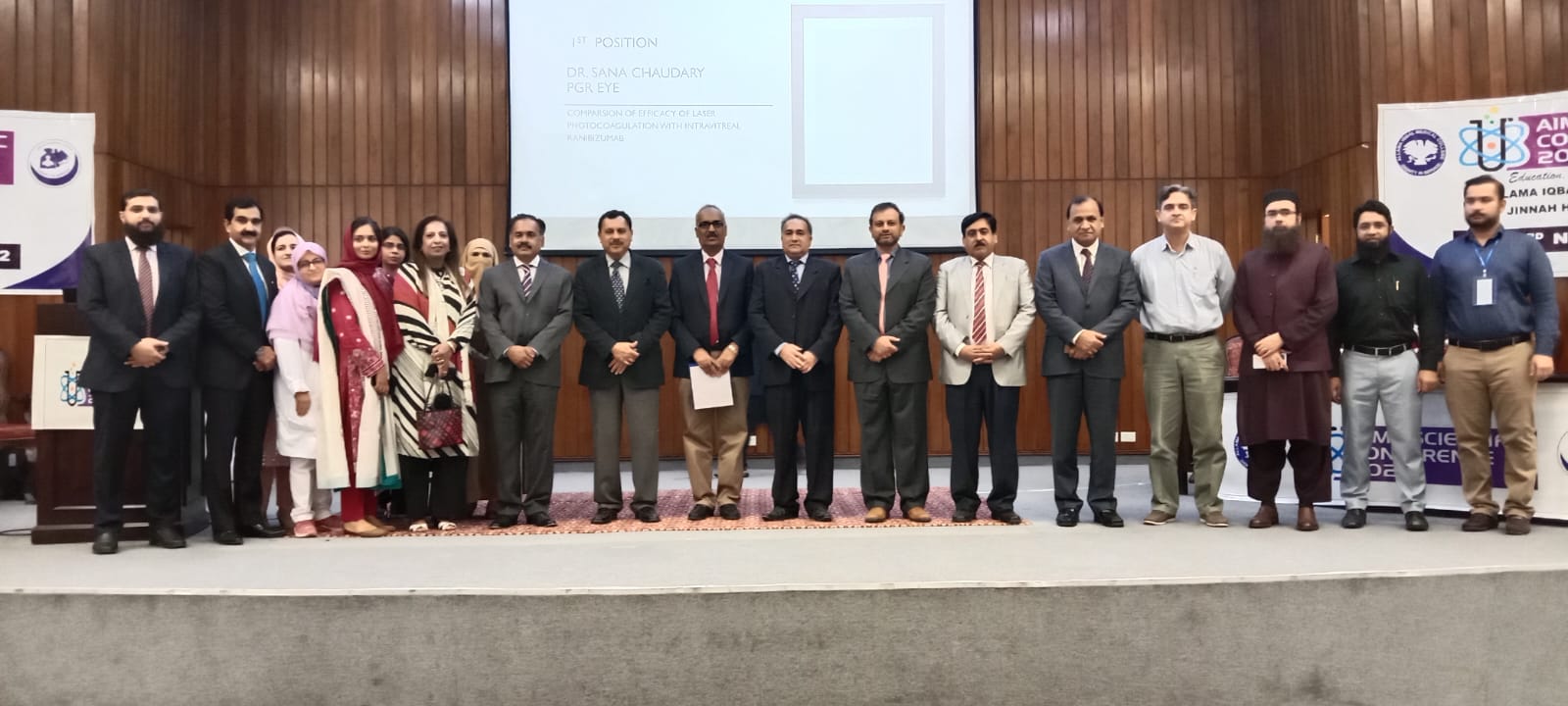
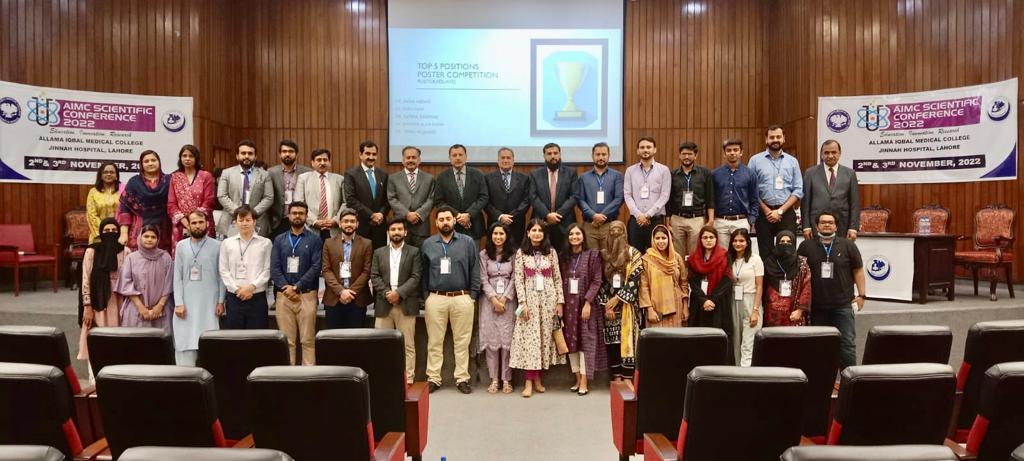
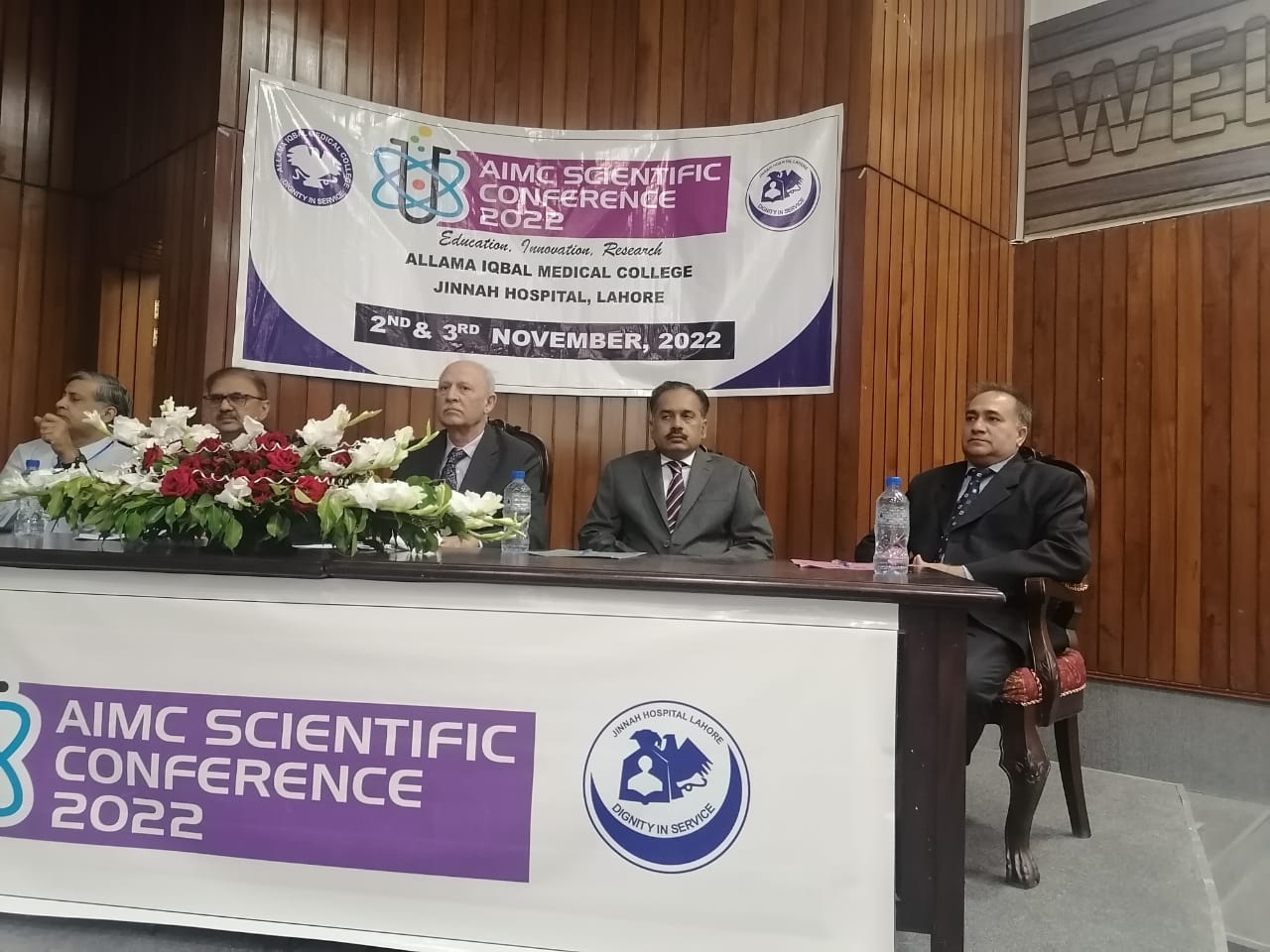
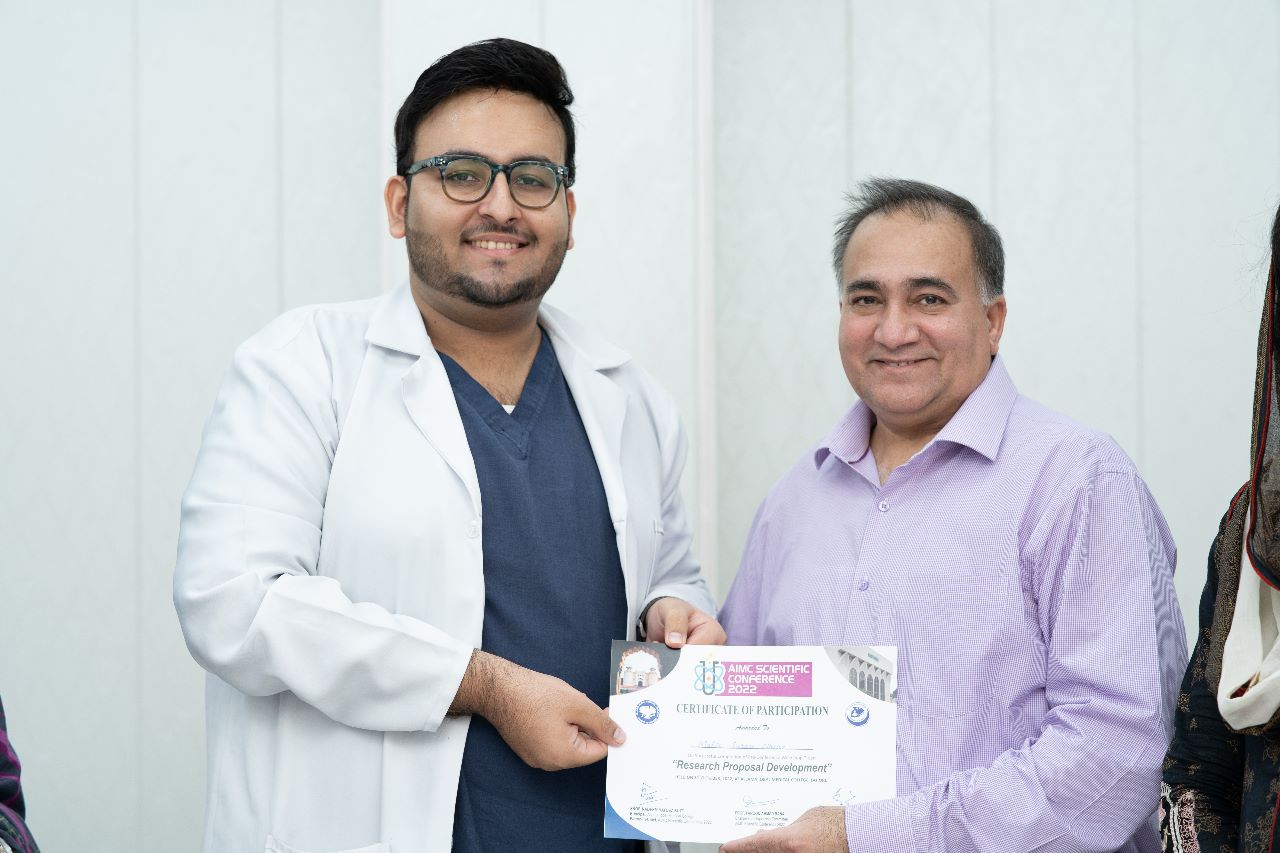
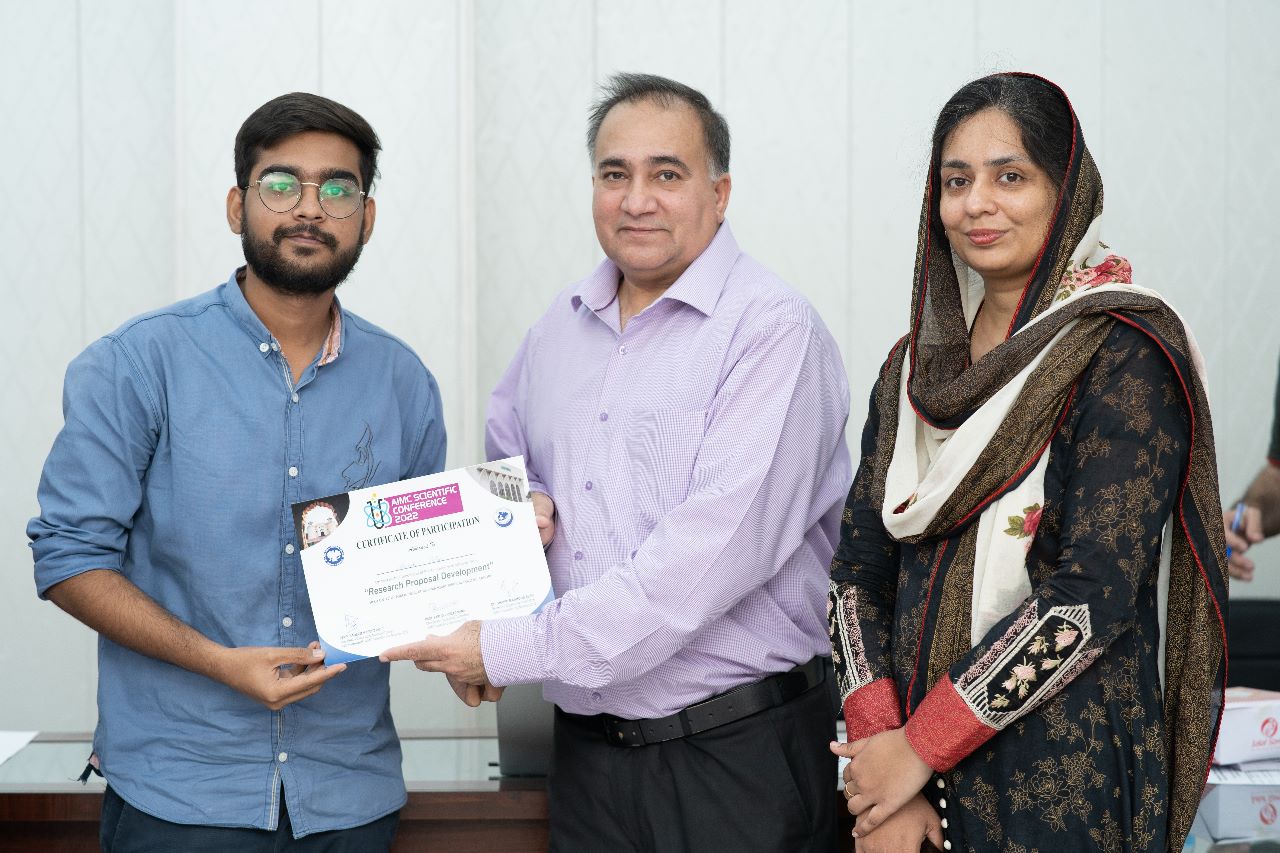
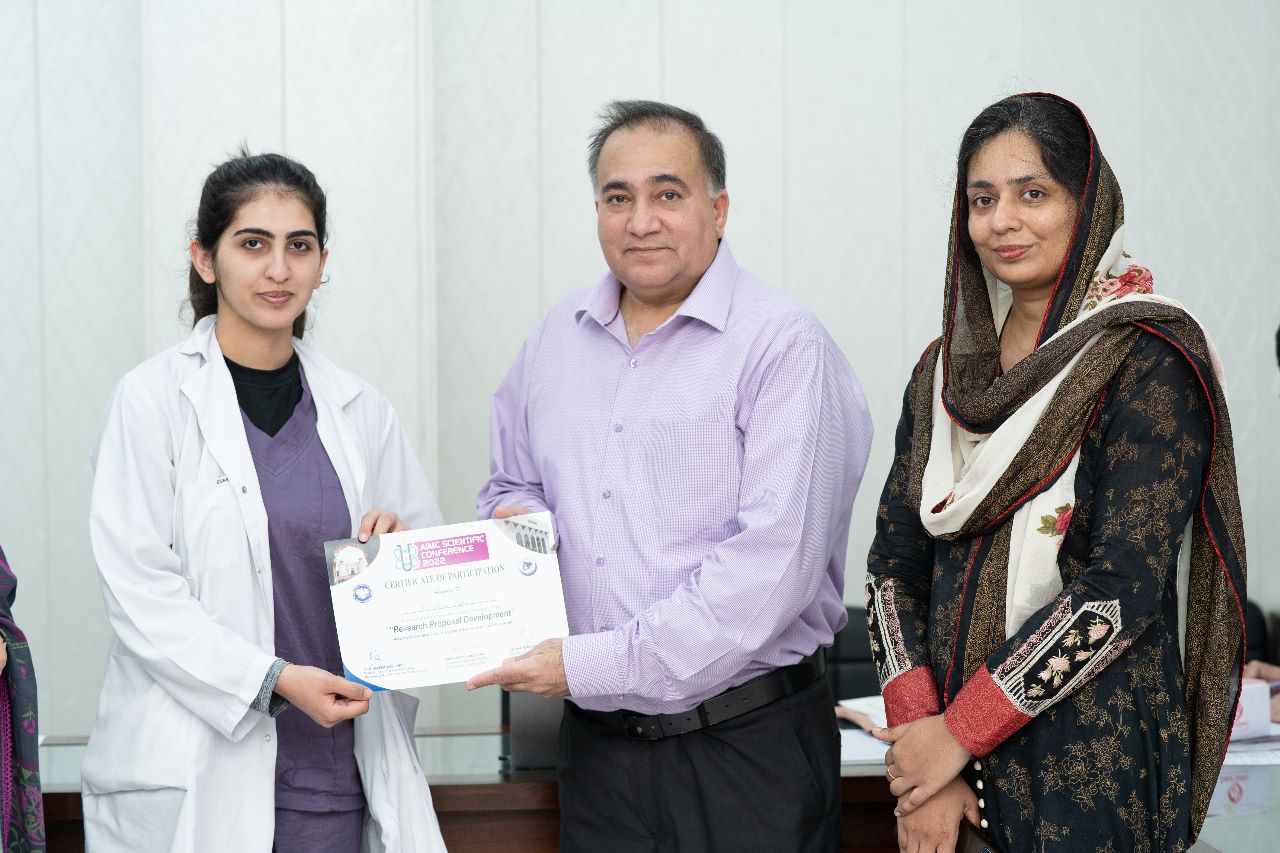
AIMC Scientific conference was conducted to provide opportunity to undergraduate and post graduate students to present their research projects.



















Recognition And Indexing