

ISSN(Print) 2076-2860
ISSN(Online) 2958-5945
Email: Editorial@jaimc.org
Phone: +924299231453
PMDC & UHS (IP-0043)


         Journal Metrics
Initial Processing: 28 Days
Peer Review: 28 Days
Article Publication Time: 2 - 3 Months
Acceptance Rate: 80%
Distinguished Reviewer
For Vol 23 Issue 3,
Dr Fatima Saeed,
Assistant Professor, Pathology, AIMC

             OJS Guide
   Manuscript Submission
CURRENT ISSUE
July 2025 – September 2025
VOL. 23, ISSUE NO. 3
EDITORIAL
All That Glitters is Not Gold: Can We Trust International Scientific Journals?
Fatima Imran, Urvah Shafique
https://doi.org/10.59058/pysy1w74
ORIGINAL ARTICLES
Anatomical Landmarks for Safe Surgical Practice: A Study of Nutrient
Foramina of Dried Cadaveric Long Bones of Upper Limb
Sarah Khan, Areiba Haider, Muhammad Qasim Muneer, Amna Zia, Farhana Sajjad
https://doi.org/10.59058/0ah9bf23
Background and objectives: The vascular supply of long bones through nutrient arteries entering via nutrient foramina, plays a crucial role in bone health and remodeling. Understanding the morphometric characteristics of nutrient foramina is essential in orthopedic, plastic, and reconstructive procedures for preventing complications such as delayed union, nonunion or avascular necrosis. The aim of the study was to evaluate the number, direction, location, position of nutrient foramina in long bones of the upper limb to provide anatomical data relevant to local surgical practices. Methods: This descriptive, cross sectional study was conducted in the Department of Anatomy, King Edward Medical University, Lahore, from October 2024 to December 2024. A total of 150 dried cadaveric long bones of the upper limb were taken, including 50 humeri, 50 radii, and 50 ulnae. Nutrient foramina were examined for number, location, size, direction, and position. Bone length and distance of foramina from the proximal end were measured, and the Foramen Index (FI) was calculated. Data were analyzed using SPSS version 26.0. Results: A single nutrient foramen was most common: 76% in humeri, 72% in radii, and 94% in ulnae. Double foramina were rare, and absence of foramina was observed in 20% of humeri, 24% of radii, and 4% of ulnae. In humeri, nutrient foramina were predominantly located on the anteromedial surface and classified as Type II (middle third) in 95% of cases. In radii and ulnae, most foramina were in the proximal third (Type I). Conclusion: This study provided population-specific data on the morphology and topography of nutrient foramina, critical for optimizing surgical outcomes in orthopedic and reconstructive procedures by aiding in the identification of safe zones and preserving vascular integrity. Key words: Nutrient foramen, foramen index, nutrient artery, long bones
Patient Satisfaction with Diagnostic Services of a Public Sector Tertiary Care
Hospital in a Developing Country: A Cross-sectional Study Using Servqual®
Questionnaire
Syeda Mahum Zahra Bokhari, Shahid Mahmood, Ghazia Qasmi, Syeda Zainab
Hassan Zaidi, Taqdees Fatima
https://doi.org/10.59058/f6bd0v39
Background & Objectives: Patient satisfaction is a multidimensional concept that consists of client's perceived needs, their expectations and experience of a health care system. This study aimed to assess patient satisfaction with pathology and radiology services at a public tertiary care hospital in a Pakistani metropolitan city. Methods: From August to December 2023, we conducted exit interviews with 434 randomly selected adult patients at a 1700-bed teaching hospital in Lahore. Using the SERVQUAL® questionnaire, we assessed client satisfaction and service quality across accessibility, affordability, reliability, responsiveness, and assurance.Analysisinvolved descriptive statistics, patientsatisfaction scoring, and examining socio-demographic factors with multiple logistic regression. Results: Out of 248 pathology clients, 74 (29.8%) were aged 35-44 years and 127 (51.2%) were female. Of 186 radiology clients, 63 (33.8%) were aged 45 or older and 137 (73.7%) were male. Overall, 59% clients using pathology and 53% clients using radiology services were satisfied with more females (75%;p=
Comparison of Conventional Cross-K Wires Versus Dorgan’s Technique for
Supracondylar Fractures in Children
Ahmad Humayun Sarfraz, Muhammad Akram, Rana Muhammad Asghar, Waqas
Azam, Abdul Haq, Saif Ullah
https://doi.org/10.59058/1h7yk476
Background & Objectives: Supracondylar humerus fractures are one of the most common fractures in childhood. The traditional treatment utilizing cross-K-wire fixation is biomechanically stable, it poses a considerable risk of ulnar nerve injury. Dorgan's technique, employing lateral cross K-wires, presents a viable alternative by reducing the complication rate. This study assessed the outcomes of standard cross-Kwire fixation compared to Dorgan's technique in paediatric patients for treatment of type III supracondylar fractures. Methods: A comparative cross-sectional study was conducted at the Department of Orthopaedics, Mayo Hospital, Lahore. A total of 72 paediatric patients with Gartland type III supracondylar fractures were randomly distributed to two groups: Group A(n=36) received traditional cross K-wire fixation, while Group B (n=36) received Dorgan's technique. Patients were monitored for six weeks, and outcomes were evaluated based on operative time, ulnar nerve injury, union rate, pin track infection, as well as cosmetic and functional outcomes as per Flynn's criteria. Results: The incidence of ulnar nerve palsy was less in Group B (p = 0.013). Fracture healing rate was higher in Group B (88.9% vs 77.8%) (p = 0.206). Based on Flynn's criteria, Group B demonstrated significantly superior cosmetic (58.3% vs 47.2% excellent, p < 0.001) and functional results (52.8% vs 44.4% excellent, p < 0.001) than Group A. Conclusion: Dorgan's technique had less incidence of ulnar nerve injury and better cosmetic and functional results than traditional cross K-wire fixation. Furthermore, it provides a safer and similarly effective option for addressing type III supracondylar humeral fractures in children. Keywords: Gartland type III fracture, K-wire fixation, Supracondylar humerus fracture, Dorgan's technique, ulnar nerve injury
Identification of Candida Species Isolated from Different Clinical Samples and their Susceptibility Against Commonly Used Antifungal Drugs
Sana Mustafa, Mahnoor Chaudhry, Tariq Mahmud Tariq, Zainab Tufail, Fatima
Manzoor, Rabia Shahzad
https://doi.org/10.59058/dcrqd453
Background & Objectives: Antifungal resistance is becoming prevalent in Candida species globally and threating the human health. Aim of this study was to identify Candida to species levels isolated from different clinical samples and analyze their antifungal susceptibility patterns. Methods: 70 Candida species isolated from 120 different clinical samples were identified and their antifungal susceptibility testing was carried out against azoles, polyenes, echinocandins and pyrimidine by using Vitek 2 Compact System. Results: Candida species were identified in 58.3% of clinical isolates from different samples of patients. The most frequent strains found in female patients were of C. albicans, followed by C. glabrata, whereas in male patients C. krusei was the commonest. All of the isolated Candida species showed resistance to Fluconazole (100%), whereas 46% showed resistance to Itraconazole and 28% were resistant to Voriconazole. However, the majority of isolates were sensitive to polyenes (Amphotericin B 91%), echinocandins (Caspofungin 84%) and pyrimidine (Flucytosine 80%) respectively. Conclusion: Identification of Candida species and antifungal susceptibility testing is necessary to help the physician in deciding on the suitable antifungal drug. Keywords: Antifungal susceptibility, Candida species, Fluconazole resistance
Pattern of Upper and Lower Limb Amputations among Patients Presenting to Emergency Department of Mayo Hospital, Lahore
Ahmad Humayun Sarfraz, Asma Akram, Asad Ali, Khair-ul-Inam, Faisal Masood,
Asif Hanif
https://doi.org/10.59058/78nw5e49
Background &Objective: Limb amputation is a surgery performed for the removal of a limb. It is indicated when the recovery of limb is impossible due to certain conditions. There are different types of amputations, and their causes, pattern, and levels can vary from one area to the other. The objective of this study was to assess the pattern of upper and lower limb amputations among patients presenting to Emergency Department of Mayo Hospital, Lahore. Methods: This retrospective study was executed at the Mayo Hospital, Lahore, from 2018 to 2020. Atotal of 100 patients were included in the study. These individuals had undergone upper or lower limb amputations due to trauma or mechanical injuries. Data was taken from hospital records and entered in SPSS version 25. Descriptive statistics were used to assess the pattern of amputations. Chi-square test was used to see the association between gender and limb involvement, and p≤0.05 was considered significant. Results: The mean age of participants was 42.7 ± 9.5 years. 75% patients were male and 25% female. 78% cases of amputations were performed because of road traffic accidents, whereas, 22% were due to mechanical injuries. Lower limb amputations were more common (60%) than upper limb amputations (40%). The most frequent levels of amputations were below-knee (58.3%) and below-elbow (62.5%). The mean Mangled Extremity Severity Score (MESS) was 7.8 ± 0.57. There was no statistically significant association between gender and type of limb amputated (p = 0.34). Conclusion: Trauma remains the leading cause of limb amputation in emergency settings in Pakistan, with young to middle-aged males most affected. Lower limb amputations are more prevalent, and below-joint amputations are more common due to efforts to preserve limb function. These findings highlight the need for improved trauma prevention, early intervention, and development of a national amputation registry to inform healthcare planning and rehabilitation services. Keywords: Limb amputation, trauma, emergency department, upper limb, lower limb, road traffic accident, Mangled Extremity Severity Score, Pakistan
A Case of Salmonella Meningitis in an Immunocompetent Infant
Mian Zahid Sarfraz, Zainab Afzal, Talha Munawer, Ali Ahsan Nawaz, Hafiz
Muhammad Abu Sufian
https://doi.org/10.59058/78nw5e49
Salmonella species represent a documented, though rare, etiology of bacterial meningitis, predominantly impacting infants, elderly individuals, and those who are immunocompromised. The condition is associated with considerable morbidity and mortality, in addition to substantial neurological complications. A3-monthold male infant with no prior health issues was admitted to the emergency department at Jinnah Hospital, Lahore, presenting with a 48-hour history of fever, lethargy, poor feeding, and irritability. There was no significant travel history or known sick contacts, but the family had a pet bearded dragon at home. On examination, the infant was having fever (39.2°C), tachycardia, and had a bulging anterior fontanelle. Kernig's sign was negative. Initial laboratory investigations revealed leukocytosis with a left shift. Lumbar puncture revealed CSF pleocytosis, high protein, and low glucose. Blood and CSF cultures were sent. The infant was empirically started on intravenous ceftriaxone and vancomycin. After 48 hours, both blood and CSF cultures grew Salmonella Enteritidis. Antibiotics were de-escalated to high-dose intravenous ceftriaxone for a total course of 4 weeks. The patient showed gradual clinical improvement. This case highlights the importance of considering non-typhoidal Salmonella as a causative agent of meningitis in infants, even those who are apparently immunocompetent. Athorough history, including exposure to reptiles, is crucial. Salmonella meningitis requires prolonged antibiotic therapy and close monitoring for complications. This case had a positive outcome due to prompt diagnosis and appropriate management. Keywords: Salmonella meningitis, bacterial meningitis, infant, complications, ceftriaxone
News and Events
Our website is fully operational now! you can submit your articles online using OJS platform.
First issue of Department’s Newsletter has been Published!

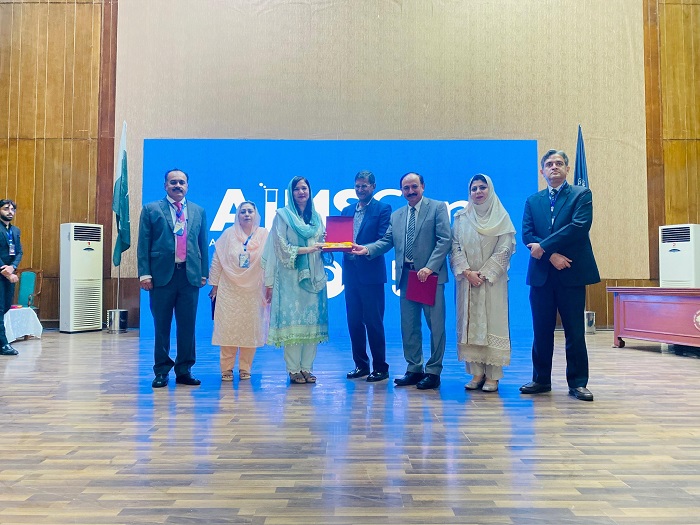
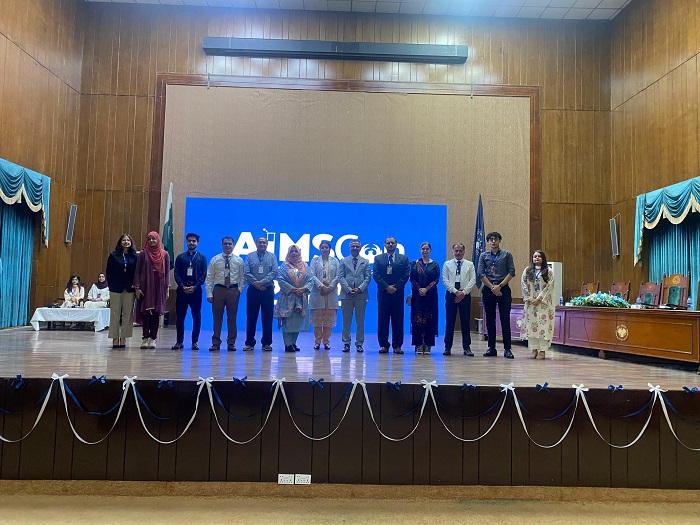
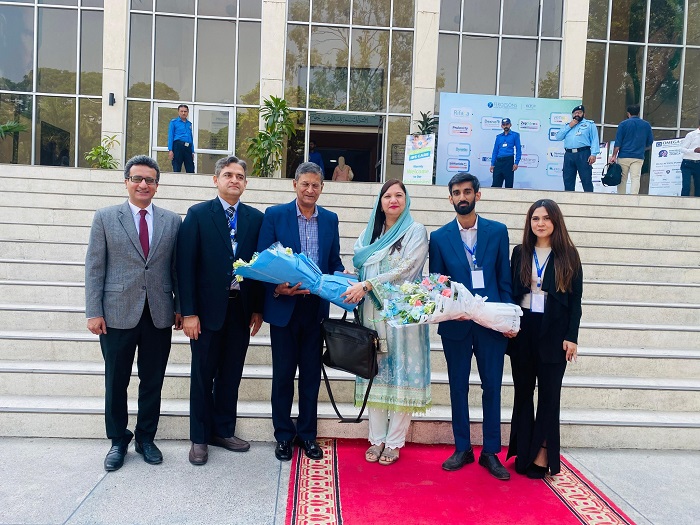
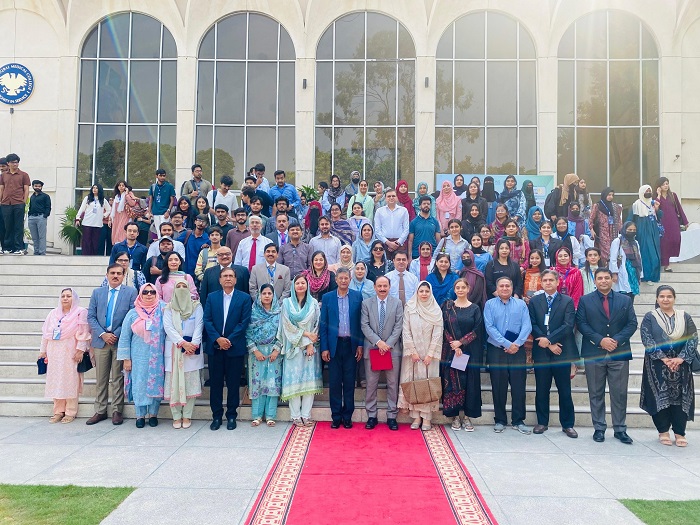
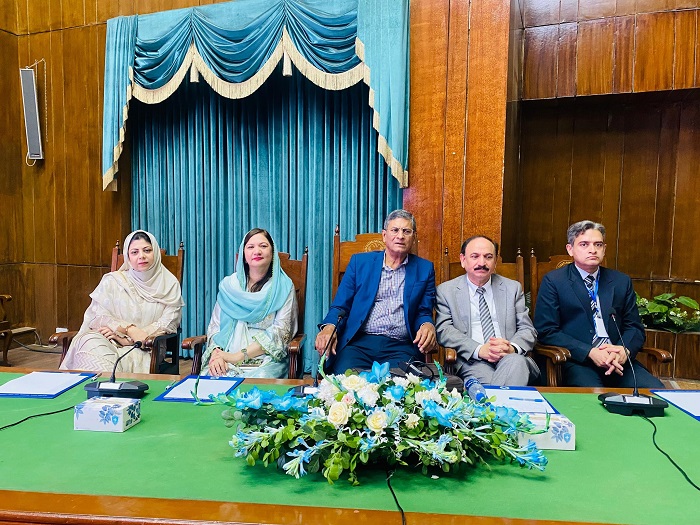
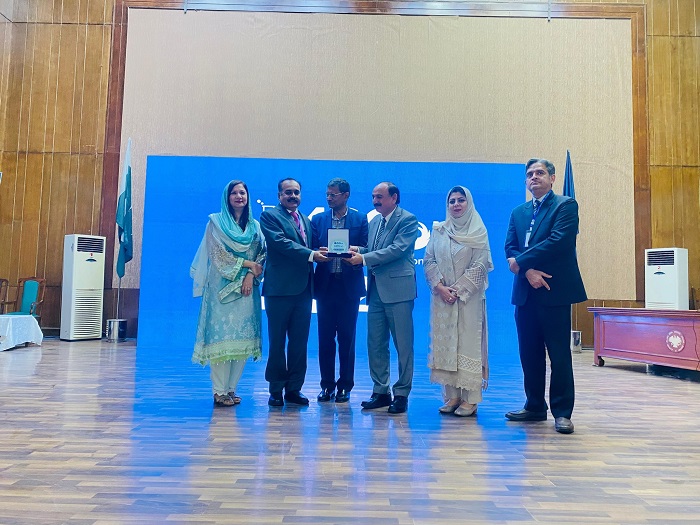
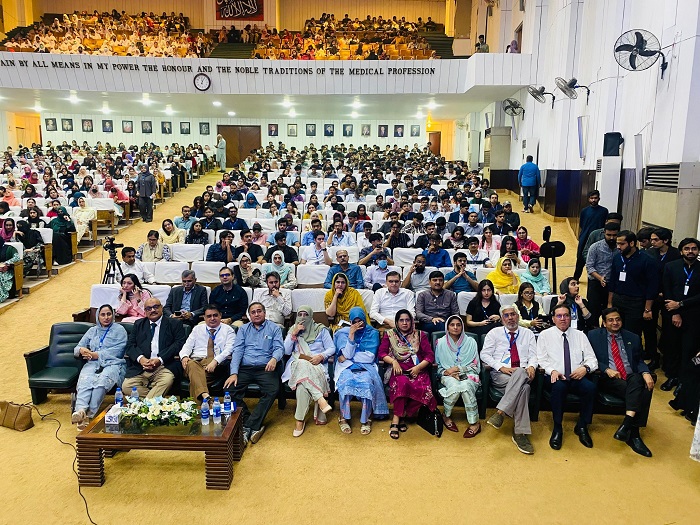
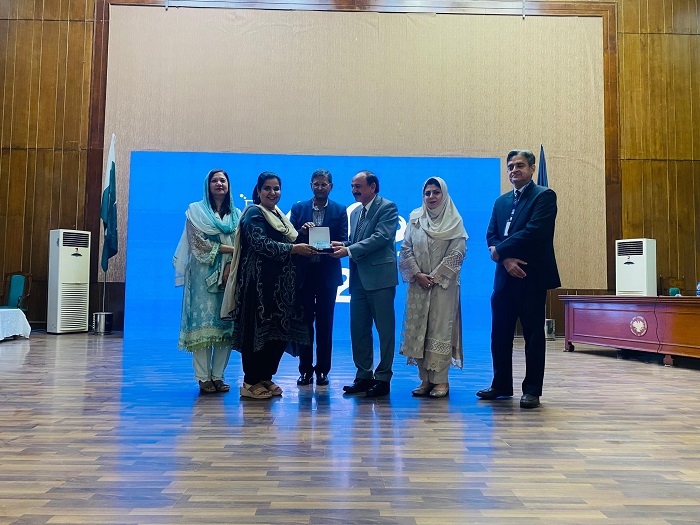
AIMSCon 25 was conducted to provide opportunity to undergraduate and post graduate students to present their research projects.



Recognition And Indexing